A Life Begun in the Jim Crow South
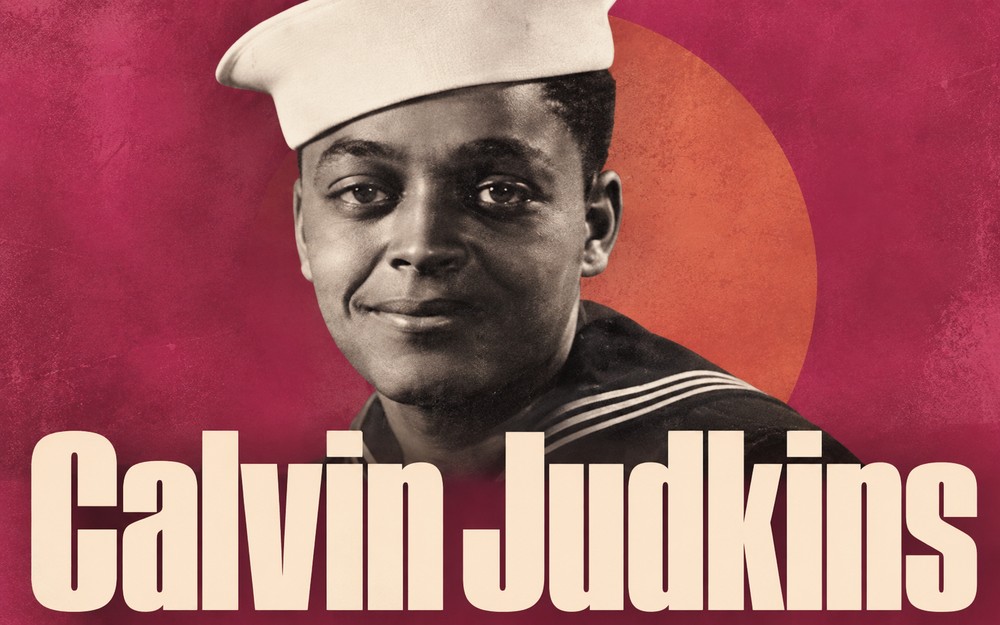
When I trace the outline of Calvin Judkins, I see a man shaped by place and era as much as by personal choices. Born July 4, 1904, in Alabama, likely near Birmingham or within Montgomery County, Calvin entered a world that offered few paths for Black men to rise and many ways to be broken. His parents, Calvin Judkins Sr., born around 1870, and Emma Burch, born in 1882, anchored a modest family with deep Southern roots. The records are sparse. The details thin out, like faded ink on a ledger. Yet the contours remain. Work was hard. Opportunity was scarce. Faith was tested.
War, Injury, and the Return Home
As a young man, Calvin’s life intersected with World War II. He served and returned disabled, a fact that later entitled him to care at veterans facilities in Michigan. I imagine the weight he carried back with him, the visible and invisible scars that can transform a household. Even when the battlefield is behind you, the war often lingers. It follows you into kitchens and quiet nights. It stains the future.
Lula Mae Hardaway and a Marriage in Turmoil
Calvin’s most pivotal chapter began when he met Lula Mae Hardaway, a young woman whose resilience would become legend through her son. Their relationship, formalized on December 5, 1952, in Lucas County, Ohio, brought together two people chasing stability amid scarcity. It did not last. Accounts from family histories and biographies describe a deeply troubled union. Reports indicate that Calvin drank heavily, struck Lula, and coerced her into prostitution to keep money flowing. It is hard to write those words. They form a cracked mirror, revealing harm that reached far beyond two adults. By 1954, Lula left and moved to Detroit with the children. Survival demanded escape.
Father to a Future Icon
For all the darkness, there were flickers of light in Calvin’s relationship with his young son, Stevland Hardaway Judkins, later known to the world as Stevie Wonder. Calvin was often described as a frustrated musician. He taught songs. He gave simple instruments. Bongos. A harmonica. The kind of gifts that turn curiosity into rhythm and rhythm into language. I picture them in a small room, father and son, every beat a tiny door opening to a wider world. That influence did not rewrite the past, but it mattered. Seeds planted in poor soil can still grow.
Children and the Family Web
The Judkins household was a blended one. With Lula, Calvin had at least two sons. Calvin Judkins Jr., born around 1948, and Stevland, born May 13, 1950, in Saginaw, Michigan. Lula also had children from other relationships, creating a patchwork family that moved through hardship with determination. After the divorce, Stevie eventually took the surname Morris, and Lula built a new life in Detroit while nurturing her son’s extraordinary talent.
Grandchildren and an Expansive Legacy
Time carried the family forward in sweeping arcs. Stevie Wonder became global, and his children expanded the family line with vibrant paths of their own. Examples often cited include Aisha Morris, born in 1975, a singer who appeared on stage with her father. Keita, born in 1977, known for his work in music and DJ culture. Mumtaz, born in 1983, who pursued entertainment. Sophia, born in 1985, who keeps a lower profile. Kwame, born in 1988, with quiet interests in music. Kailand, born in 2001, involved in fashion and modeling. Mandla, born in 2005, aiming at the entertainment world and public contests. In later years, two younger children have been mentioned, Zaiah, born in 2013, and Nyah, born in 2014, with details often kept private. The broader count often noted is nine children. The line that began with Calvin and Lula’s turbulent union now stretches across stages, studios, runways, and family gatherings.
Later Years and Passing
After the marriage ended, Calvin faded from view. He remained in Michigan, largely removed from his former home life. The record suggests little reunion, few bridges mended. He died at the Veterans Hospital in Allen Park, Wayne County, on November 28, 1976, at age 72, following a brief illness. A quiet end for a man whose presence was anything but quiet.
No Headlines. Only History.
I have looked for recent mentions of Calvin, and the world rarely says his name. He passed almost fifty years ago. When he resurfaces, it is as a biographical footnote in the story of Stevie Wonder. That silence is telling. It is also typical. Many men who lived in the margins do not get news cycles or grand narratives. Their lives are remembered in fragments, in the long shadows cast by those they touched.
A Complicated Portrait
Writing about Calvin Judkins feels like standing at the edge of conflicting truths. He was a veteran. He was a parent who brought music into his son’s life. He was also, according to accounts, a source of pain and danger in his household. That complexity does not cancel harm. It clarifies it. Families survive by recognizing what broke them and by honoring what helped them heal. Lula did that. Stevie did that. Their resilience glows. Calvin’s story sits in the background, a cautionary tone in the broader song.
Extended Timeline in Plain Sight
I tend to draw life like a timeline, not to box in a person but to see their movement.
-
- Born in Alabama on July 4.
- 1940s. Serves in World War II and returns disabled.
- Late 1940s. Begins a relationship with Lula Mae Hardaway.
-
- Stevland is born in Saginaw, Michigan.
-
- Marriage to Lula is formalized in Lucas County, Ohio.
-
- Divorce. Lula relocates to Detroit with the children.
- 1950s to 1970s. Low contact with family. Lives in Michigan.
-
- Dies at a veterans hospital in Allen Park.
Within these points lies the texture of a life. Notable by connection to greatness. Marked by the pain of those closest to him. Witnessed mostly in retrospect.
FAQ
Who was Calvin Judkins?
Calvin Judkins was the biological father of Stevie Wonder. Born in Alabama in 1904, he served in World War II and later lived in Michigan. He is remembered both for introducing his son to music and for the damaging behavior reported within his marriage to Lula Mae Hardaway.
What was his relationship with Lula Mae Hardaway?
Their relationship was tumultuous and, according to accounts, abusive. Reports describe heavy drinking, violence, and coercion of Lula into prostitution. Lula left the marriage around 1954 and moved to Detroit with the children.
How did he influence Stevie Wonder?
Calvin was often described as a frustrated musician. He introduced Stevie to basic instruments and songs, offering early exposure that fed the child’s musical curiosity. Those moments were small but meaningful.
Did Calvin have a public career or notable achievements?
No public career is documented. He was not recognized in music or any other field. References to his life focus on family dynamics rather than professional milestones.
Was he a veteran?
Yes. Calvin served in World War II and was later considered disabled, which led to care at veterans facilities in Michigan.
Where and when did he die?
He died on November 28, 1976, at a veterans hospital in Allen Park, Wayne County, Michigan. He was 72.
Who were his children?
With Lula, Calvin had at least two sons. Calvin Judkins Jr., born around 1948, and Stevland Hardaway Judkins, born in 1950, who became Stevie Wonder. Lula had other children as well, making the household a blended family.
How many children does Stevie Wonder have?
Stevie Wonder is often cited as having nine children. Names frequently mentioned include Aisha, Keita, Mumtaz, Sophia, Kwame, Kailand, Mandla, and two younger children known as Zaiah and Nyah, with details about the youngest kept private.
Why is Calvin Judkins still discussed?
He is discussed primarily through the lens of Stevie Wonder’s biography. Calvin’s story highlights how early family dynamics, including harm and hardship, can intersect with the rise of a cultural icon. His life also surfaces broader issues such as domestic abuse and the challenges faced by Black families in mid century America.